
Customer Challenge
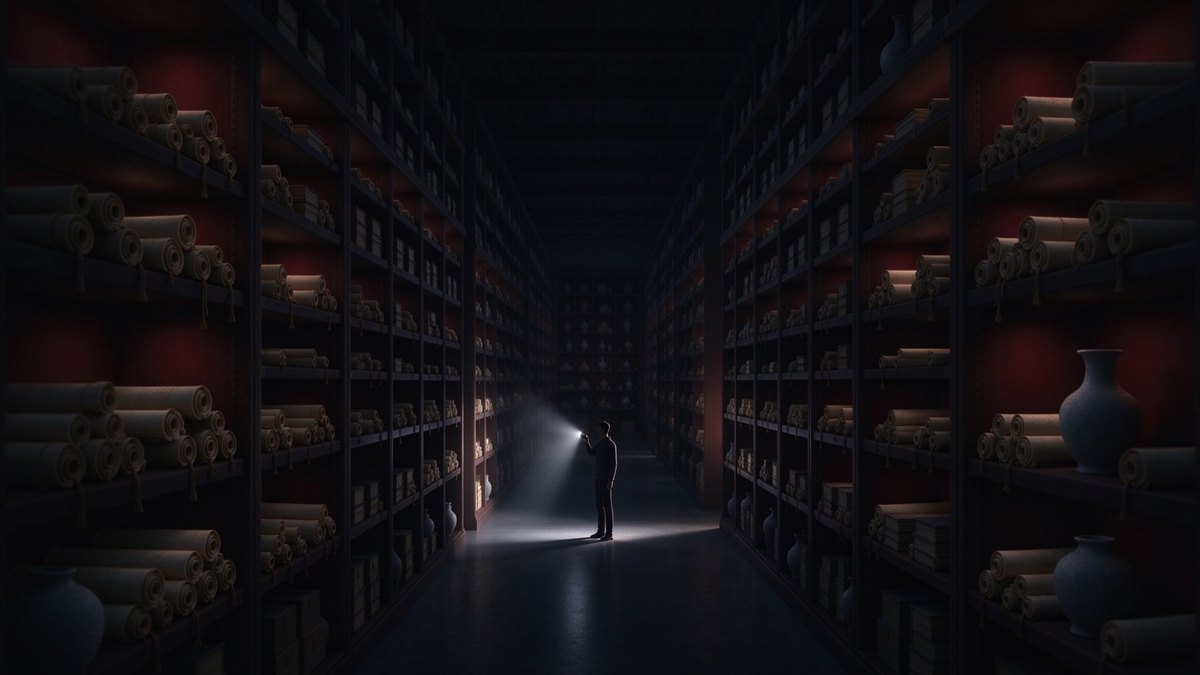
The Palace Museum holds more than 1.86 million artifacts. Traditional search depends on exact names, dynasties and accession numbers, so a visitor asking for “a porcelain vase with a landscape painting” often comes away empty-handed. Vast digital collections are visible but not findable, and a gap separates professional cataloging from everyday language.
- Artifact knowledge vectorized
Names, dynasties, categories, decorative motifs and background knowledge are indexed together, so colloquial descriptions and professional records no longer drift apart.
- Natural-language search
Visitors ask in their own words; the system understands the intent and returns the most relevant artifacts instead of exact keyword matches.
- Context-aware explanations
Results come with cultural background and related artifacts, so one search opens up a whole collection.
Solution
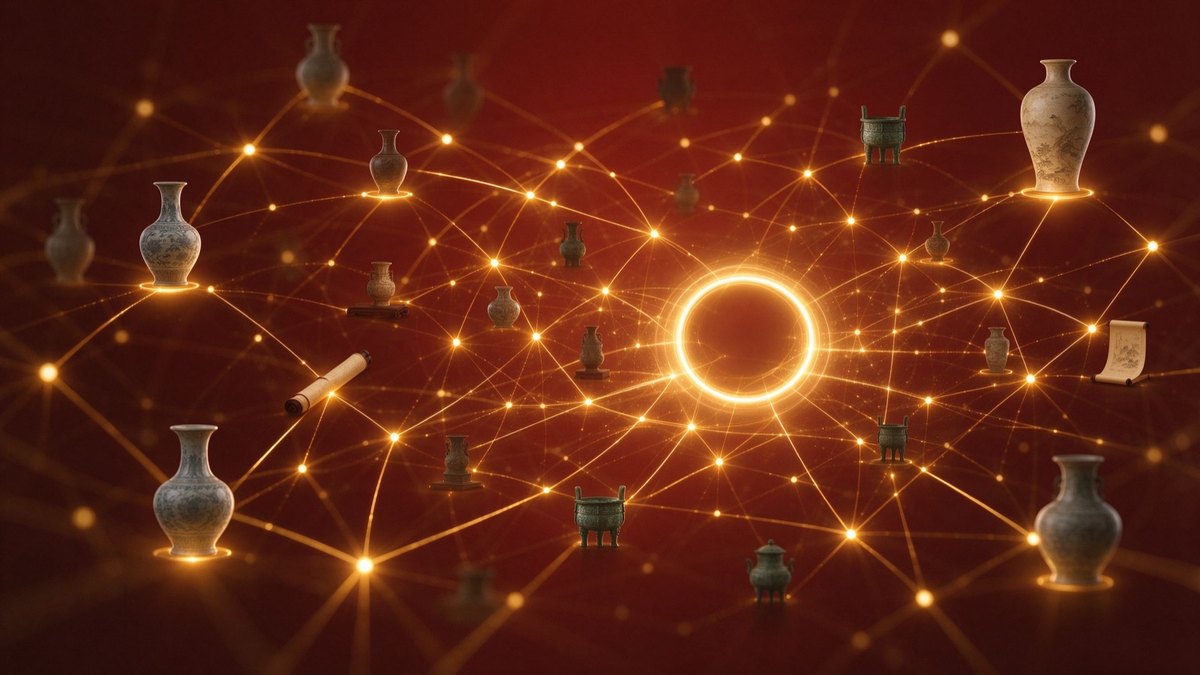
Built on the Knowledge capability of the Fractal AI agent platform, artifact names, dynasties, categories, motifs and background knowledge are vectorized into a unified semantic index. Visitors ask in everyday language, the system maps colloquial phrasing onto professional records, and returns the relevant artifacts with their cultural context. Search shifts from guessing keywords to simply asking.
Results
Top-10 semantic search hit rate reached 92%, and average search time fell by 68%. Since launch, visits to the digital collection have risen by 45%, bringing more artifacts into public view.

Note: the figures above are illustrative; final publication uses project acceptance data confirmed by both parties.